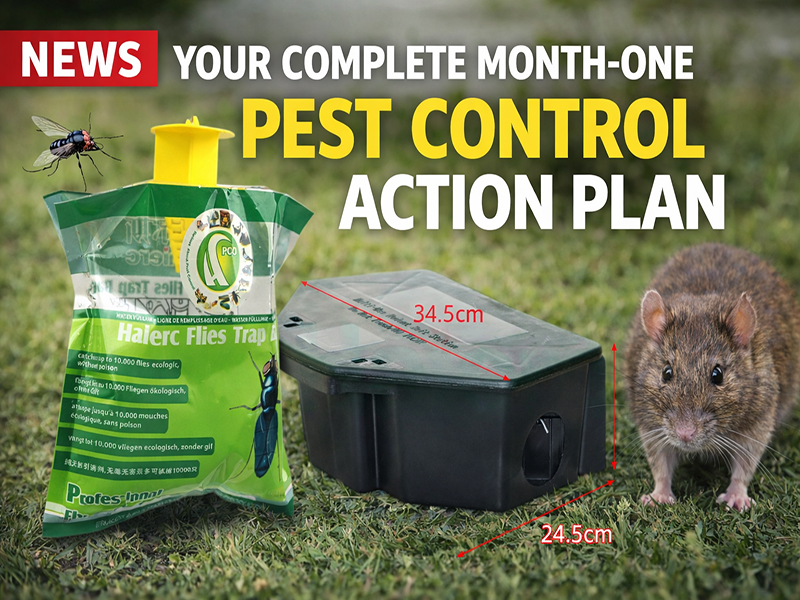
You’ve spent a month learning how pests behave, what attracts them, and which tools work best. Now it’s time to put it all together into a practical, season-by-season action plan you can actually implement.
…
The pest control product market is enormous — and confusing. Walking through a store (or scrolling through an online catalog), you’ll see sprays, dusts, baits, traps, granules, repellers, foggers, and combinations of all of these. Here’s how to choose the right product for your specific situation.…
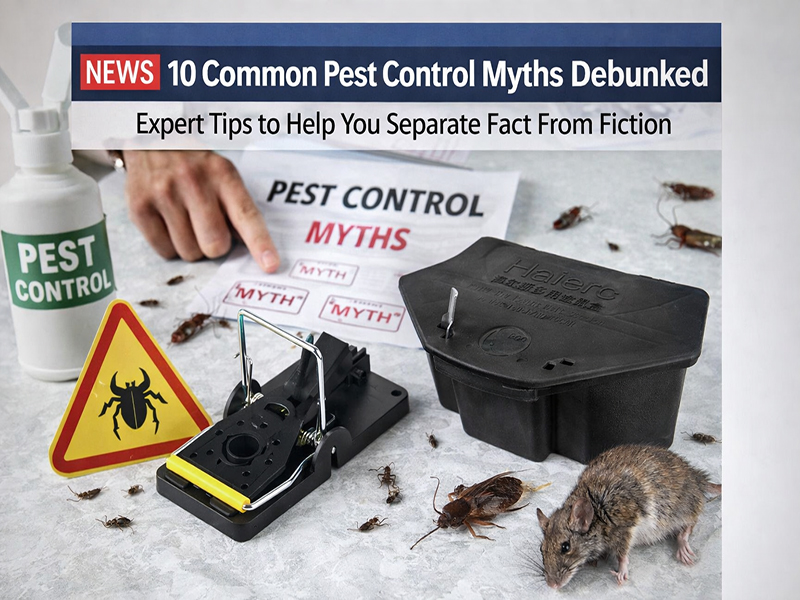
Pest control myths are remarkably persistent — and some of them actively make infestations worse. Let’s set the record straight on the most common ones.
…
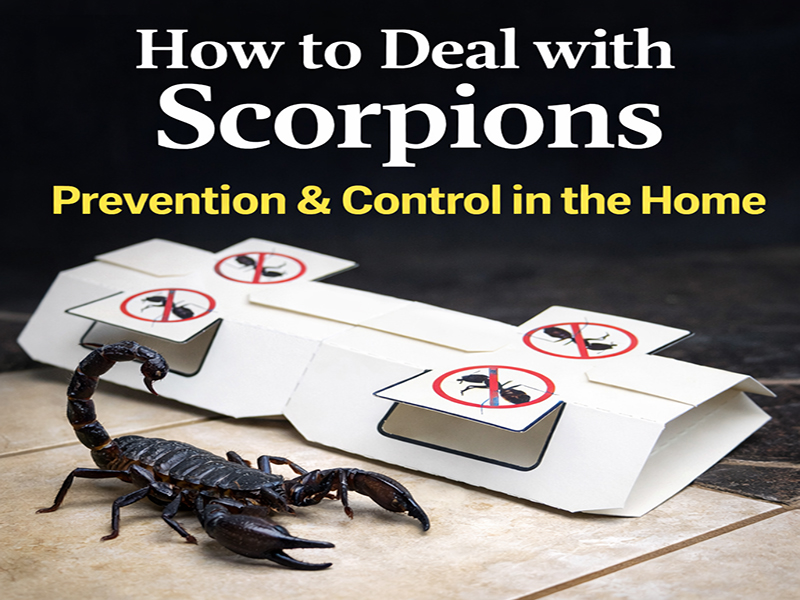
Scorpions are primarily a concern in the southwestern U.S. — Arizona, California, Nevada, New Mexico, and Texas. The bark scorpion (Centruroides sculpturatus), common in Arizona, is the only species in North America with venom potent enough to be lifethreatening, particularly to children and the elderly.…
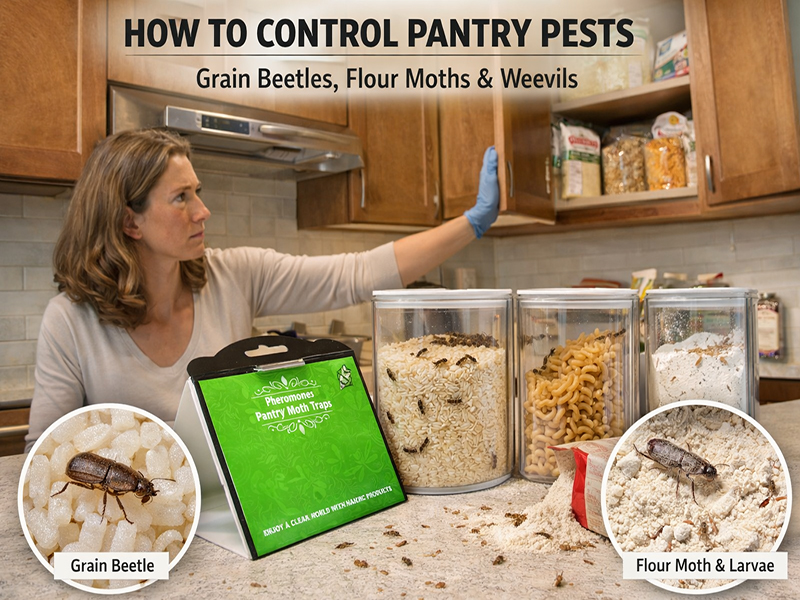
Finding tiny insects in your flour, rice, or cereal is one of the most common household pest complaints — and one of the most frequently misunderstood.
…
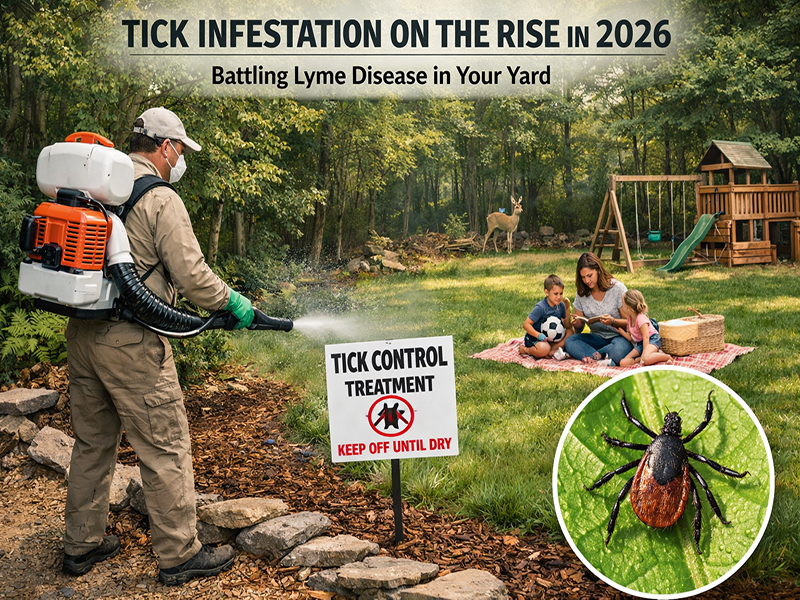
In 2026, ticks are active earlier in the year and in more geographic areas than ever before, driven by consistently warmer winters. Lyme disease, transmitted by the black-legged (deer) tick, remains the most commonly reported vector-borne disease in the U.S. Taking control of your yard’s tick population is a concrete s…
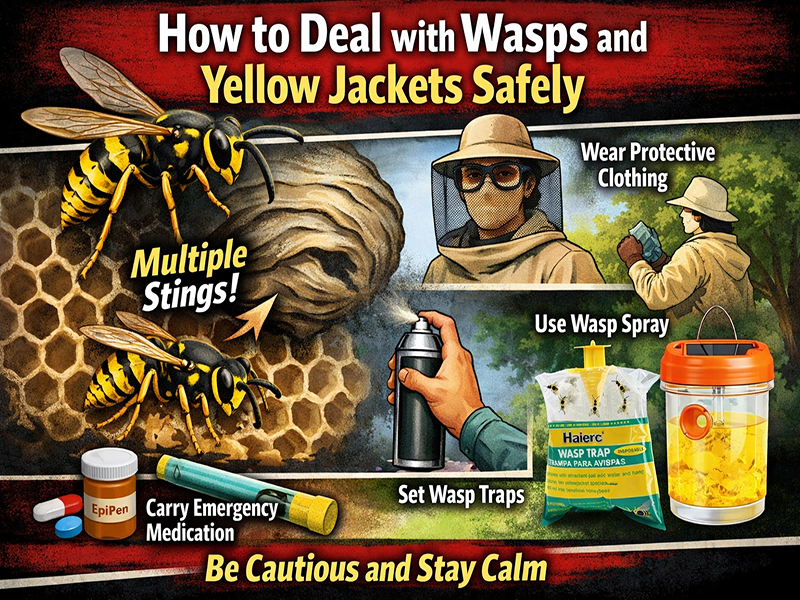
Wasps and yellow jackets sting repeatedly and aggressively when they perceive a threat to their colony. Unlike bees, they don’t lose their stinger and can sting multiple times. For anyone with allergies, a wasp encounter can be life-threatening. Here’s how to manage them safely.
…
Fruit flies can appear seemingly out of nowhere and multiply at astonishing speed — a single female can lay up to 500 eggs in her 10-day lifespan. The good news: they’re one of the easiest pests to eliminate once you understand what’s attracting them.…
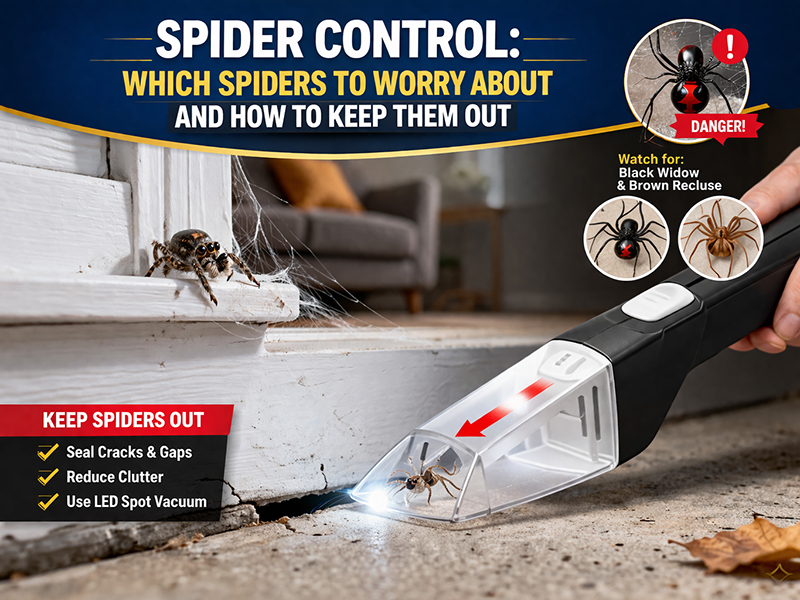
Most spiders found in U.S. homes are harmless and actually beneficial — they eat other pests. But two species require immediate attention: the black widow and the brown recluse. Here’s how to identify them and protect your home from all spider activity.…