Flies are one of the most common pests affecting homes, farms, restaurants, food processing areas, and outdoor facilities. During warm seasons, fly populations can quickly increase and create hygiene problems, unpleasant odors, and potential contamination risks. To provide a simple and eco-friendly solution, Haierc Dis…
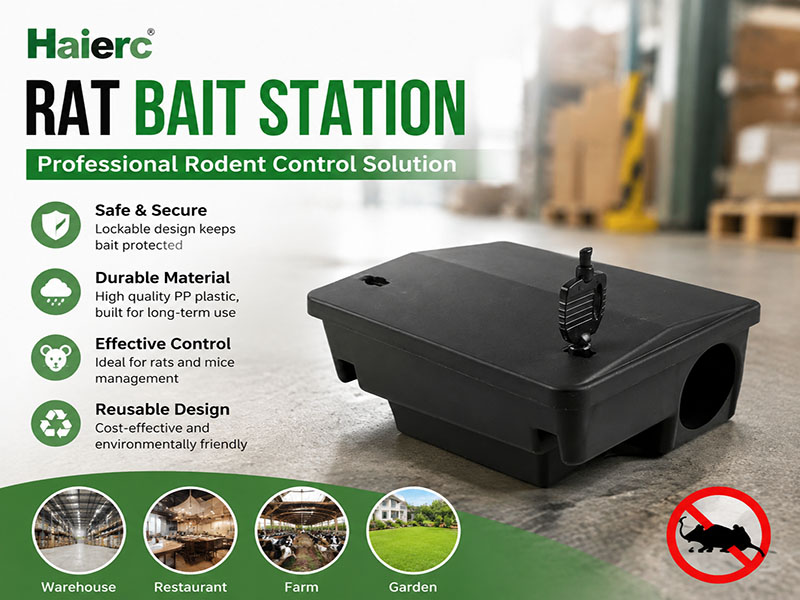
Rodent infestations can cause serious problems for homes, businesses, warehouses, and agricultural environments. To help customers achieve more efficient pest management, Haierc has developed a durable Rat Bait Station designed for professional rodent control applications. This reliable rodent control station provides …
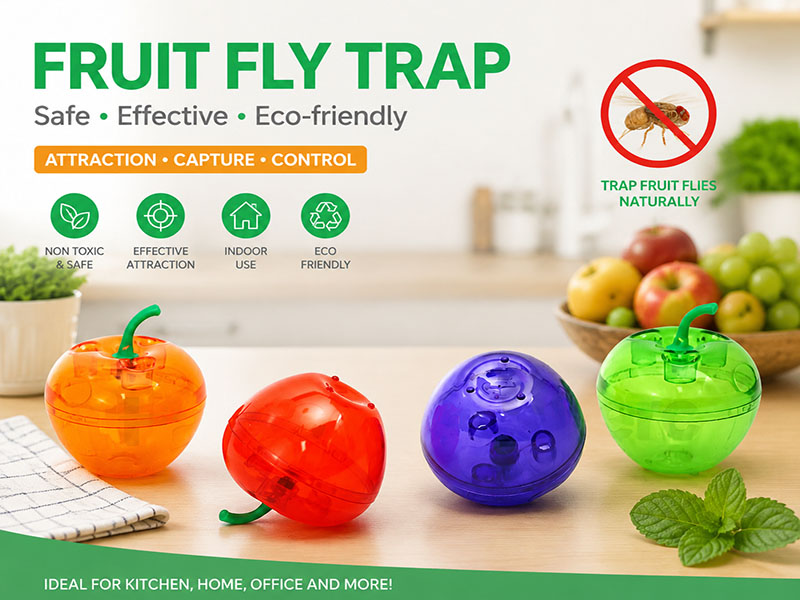
Haierc Fruit Fly Trap offers an effective and eco-friendly solution for indoor fruit fly control. Suitable for kitchens, restaurants, supermarkets, and commercial pest management applications.…
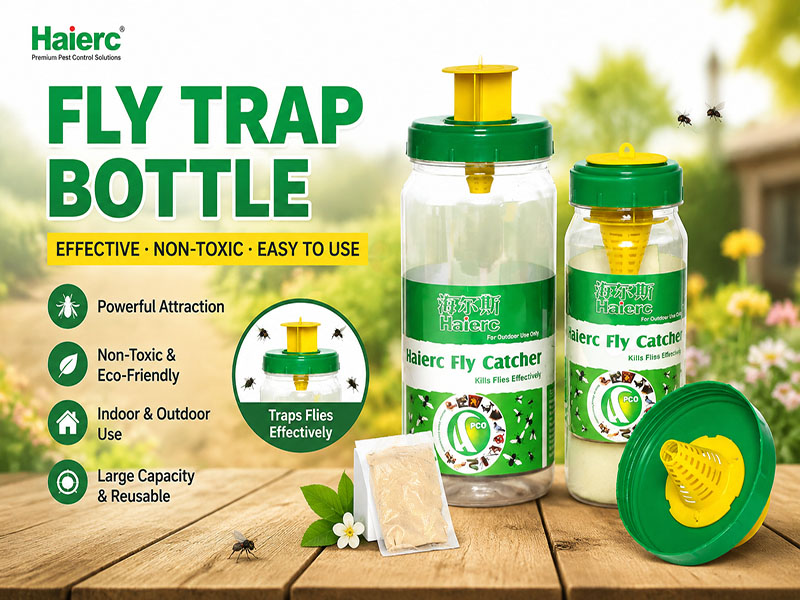
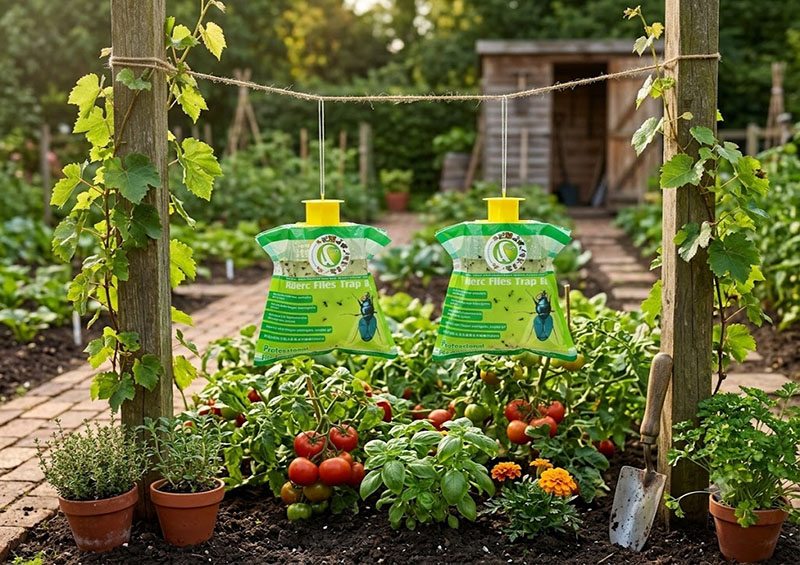
With the arrival of warmer seasons, fly problems become increasingly common in outdoor environments. Flies can quickly gather around gardens, farms, garbage areas, livestock spaces, and outdoor dining areas, creating hygiene concerns and affecting daily activities. To help customers manage flying insect problems more e…
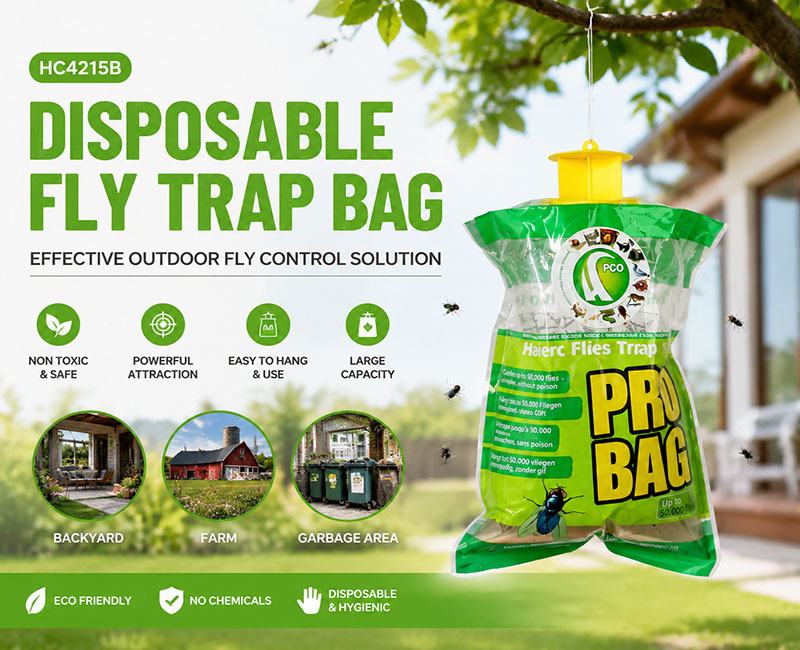
Haierc Disposable Fly Trap Bag is a non-toxic outdoor fly control solution designed for farms, gardens, livestock areas, and commercial applications with large capacity fly-catching performance.…
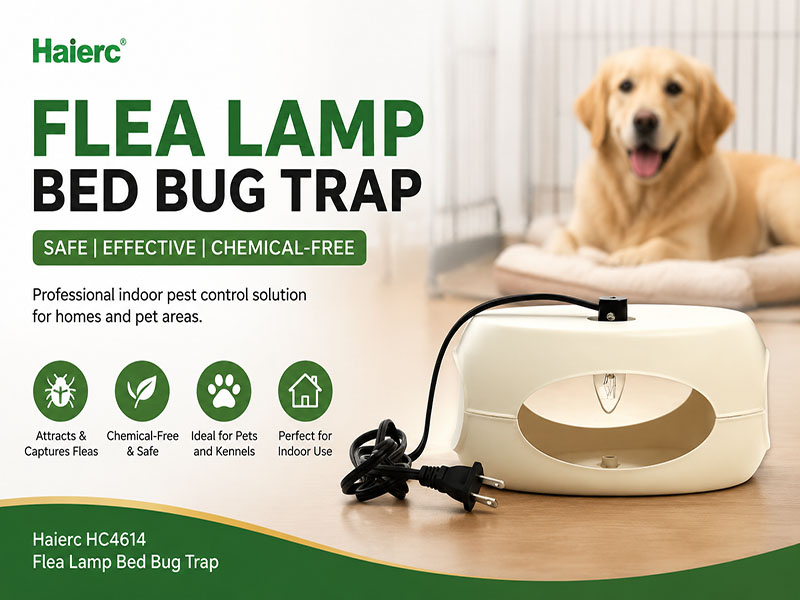
Fleas are one of the most common pests found in homes, pet rooms, kennels, and animal facilities. These tiny insects can reproduce quickly and cause discomfort for pets and humans. Traditional chemical sprays may provide temporary results, but many users are now looking for safer and more convenient solutions. The Flea…
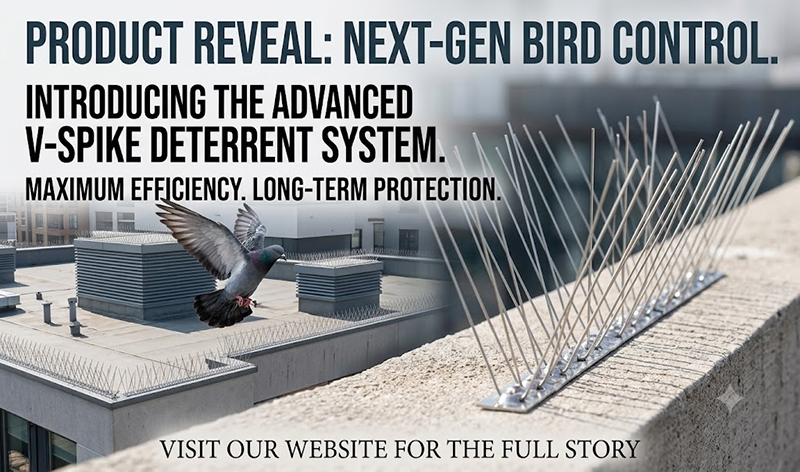
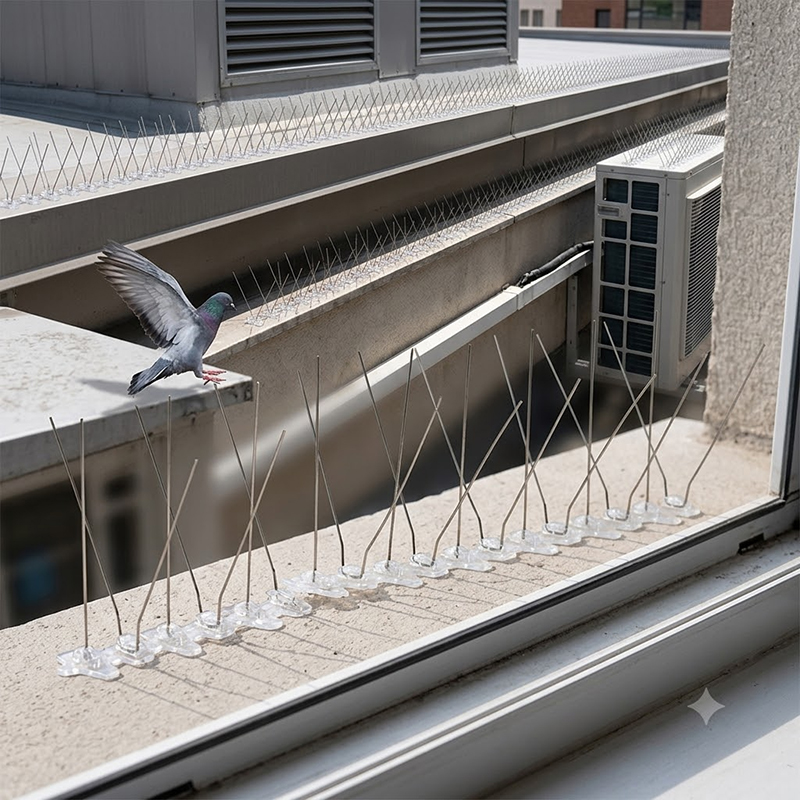
As peak nesting and migration seasons arrive, commercial facilities and residential properties face increasing challenges from bird droppings, clogged HVAC units, and health hazards. To help property managers and homeowners tackle persistent pest birds effectively, [Your Company Name] today announced the release of its…
With the increasing demand for effective and humane bird management solutions, Haierc has become a trusted Anti Pigeon Spikes Manufacturer specializing in high-quality bird control products for commercial, industrial, and residential applications. As urban environments continue to expand, pigeons and other nuisance bir…
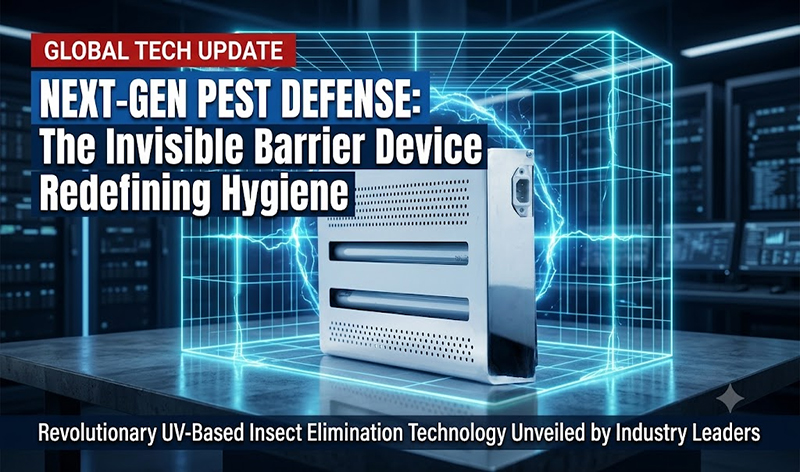
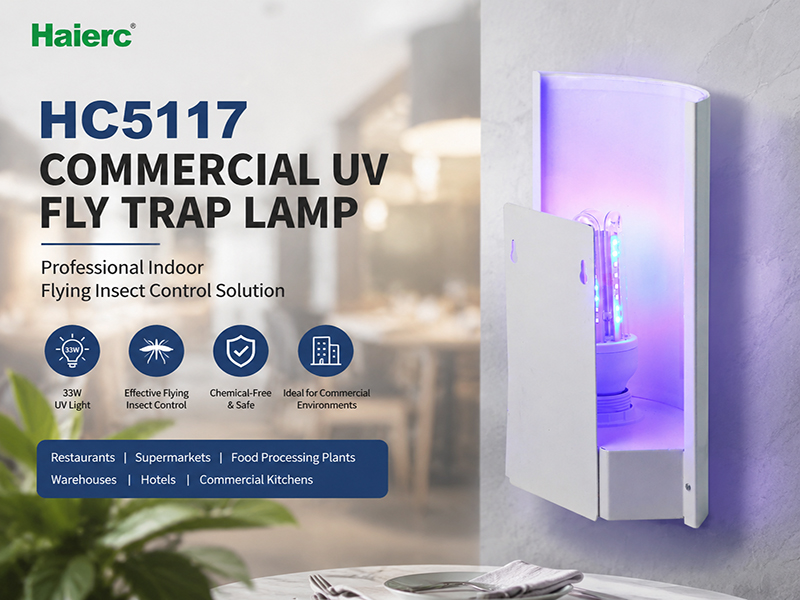
With the rapid development of the food service, retail, and industrial sectors, maintaining a clean and hygienic indoor environment has become increasingly important. Flying insects such as flies, mosquitoes, moths, and gnats not only affect customer experiences but may also create hygiene concerns in commercial areas.…